
Dense Turf for Shaded and Humid Conditions
St. Augustine Sod Installation in New Orleans and Metairie, LA, for properties with partial shade and warm, humid climates
St. Augustine sod creates a thick, vibrant lawn that tolerates the shade and humidity common in New Orleans and Metairie, LA, better than Bermuda or zoysia varieties. Southern City Farm and Landscaping installs St. Augustine for properties with tree cover, structures that block afternoon sun, or areas where other grasses have thinned due to insufficient light. The broad blades grow densely, filling in bare or damaged sections quickly and creating a lush appearance that handles warm, humid conditions without the fungal issues that plague finer-bladed grasses in similar environments.
St. Augustine establishes faster than zoysia and tolerates shade better than Bermuda, making it suitable for yards where sun exposure varies throughout the day. The thick blade structure creates a carpet-like surface that feels substantial underfoot, and the natural density prevents weeds from taking hold once the grass roots fully. New Orleans' heat and humidity favor St. Augustine's growth cycle, allowing the grass to stay green and active through summer months when proper watering is maintained.
Schedule a property evaluation to determine if your shade coverage and soil drainage suit St. Augustine establishment.
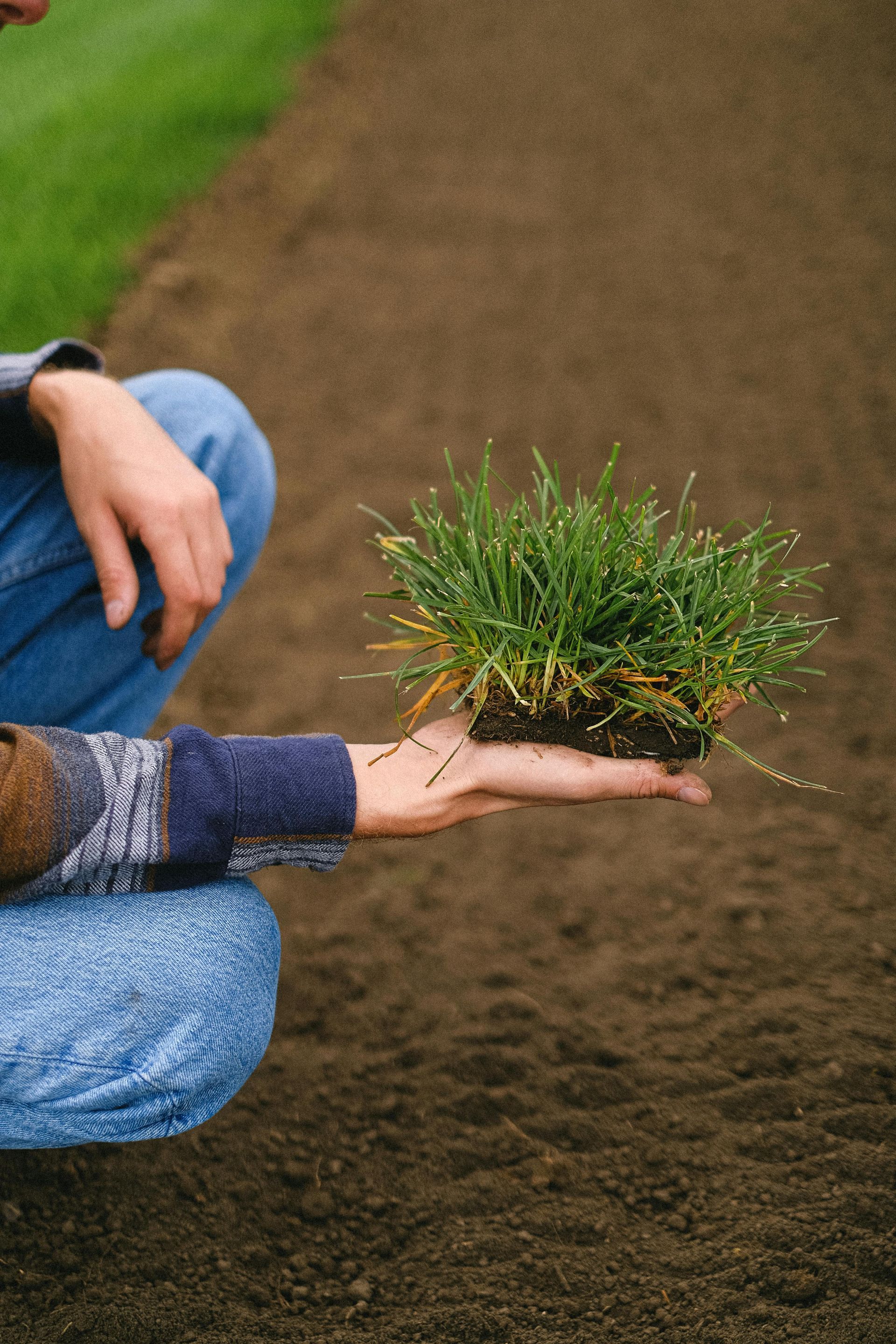
What Changes After St. Augustine Takes Root
St. Augustine sod rolls are laid directly on prepared soil, with edges tightly butted to prevent gaps where weeds could germinate. Soil preparation includes checking drainage in shaded areas, since St. Augustine tolerates humidity but struggles in waterlogged conditions where roots suffocate. The grass begins rooting within seven to ten days if watered consistently, and the thick growth becomes evident within the first month as lateral stolons spread and fill any small gaps between sod pieces.
You'll notice the lawn maintains a deep green color even in areas that receive only four to five hours of filtered sunlight daily, unlike Bermuda which thins and fades without full sun exposure. The thick blade structure creates a visibly lush appearance that enhances curb appeal, and the dense growth pattern means bare spots rarely develop once the grass establishes. Shaded sections that previously stayed muddy or patchy with other grass types fill in with uniform coverage that holds up through New Orleans' humid summer months.
St. Augustine requires more water than Bermuda, particularly during establishment and in full-sun areas where the broad blades lose moisture quickly. The variety is also more susceptible to chinch bugs, which means monitoring for insect activity becomes part of ongoing maintenance. Properties with heavy foot traffic see better performance with Bermuda, since St. Augustine's broad blades are more prone to damage from repeated wear than finer, more resilient grass types.