Crepe Myrtle Planting
Summer Color That Tolerates Urban Heat
Crepe Myrtle Planting in New Orleans for full-sun sites requiring extended bloom periods and drought tolerance once established
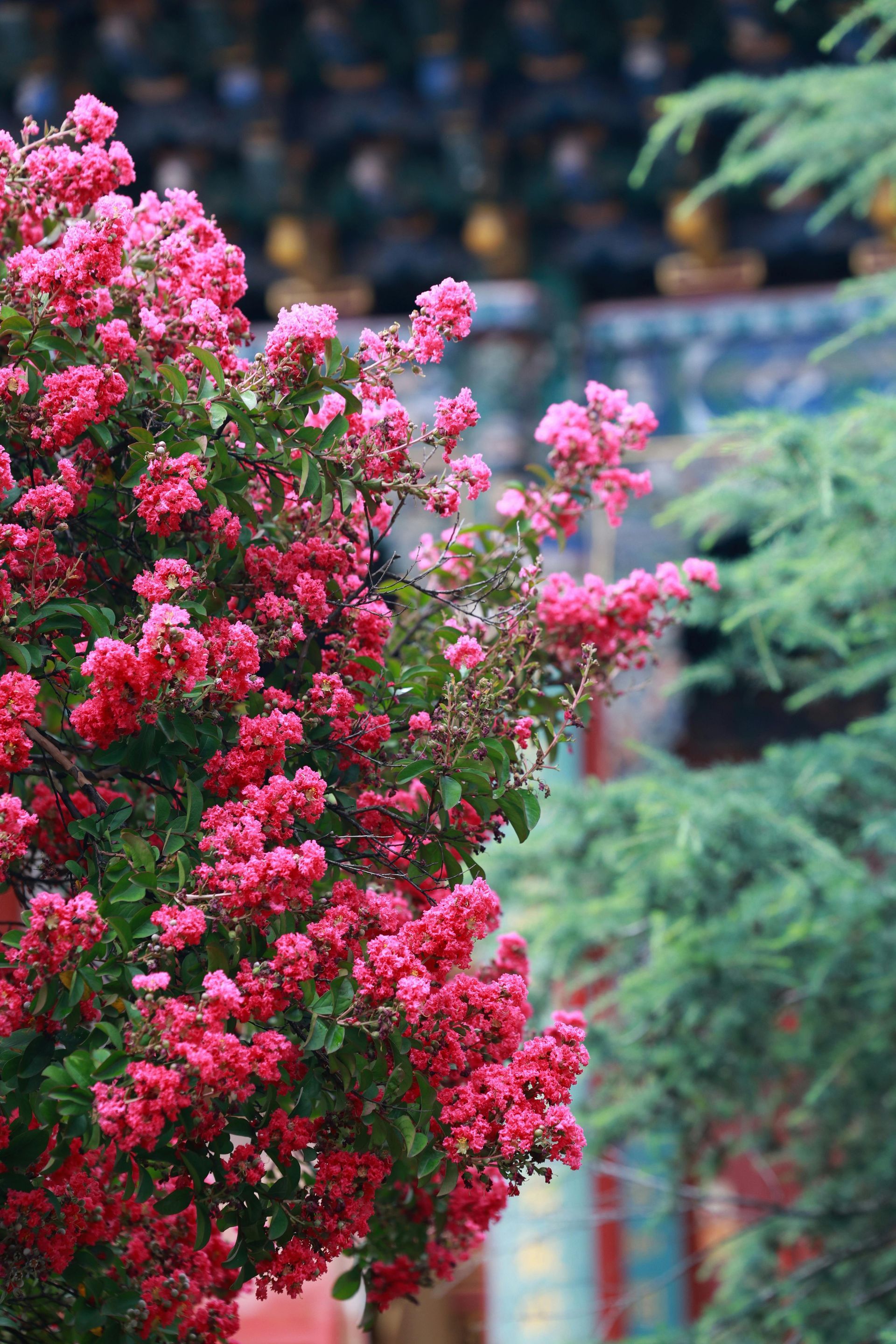
Crepe myrtles bloom continuously from June through September across New Orleans, producing flower clusters in white, pink, red, or purple that persist through the hottest months when most other ornamental trees show heat stress. These trees tolerate full sun exposure, reflected heat from pavement and structures, and moderate drought once root systems establish, making them suitable for demanding urban sites where more delicate species struggle. Southern City Farm and Landscaping plants crepe myrtles in locations that maximize their heat and humidity tolerance while selecting cultivars resistant to powdery mildew, a fungal disease that coats foliage with white residue during humid summers when airflow is limited.
Planting involves positioning the tree so mature size fits the available space without requiring the excessive pruning that creates unsightly trunk clusters, selecting from dwarf varieties that reach six to eight feet, mid-size varieties that reach fifteen to twenty feet, or tree-form varieties that reach twenty-five feet or more. The planting hole is prepared to break up compacted soil and amended minimally, since crepe myrtles adapt to a wide range of soil conditions and over-amending can promote excessive vegetative growth at the expense of flowering.
Request a planting estimate that accounts for mature size selection and site-specific sun exposure across your property.
What You Notice Once Trees Reach Maturity
Proper variety selection prevents the need for severe annual pruning that produces the stubbed trunk appearance common across the region, often called "crepe murder" by horticulturists. Trees planted at appropriate mature size develop natural vase-shaped canopies with smooth, exfoliating bark in shades of gray, cinnamon, or tan that provides winter interest after leaves drop. Flower clusters appear on new growth, so light pruning to remove spent blooms during summer encourages additional flush cycles that extend the blooming period into fall.
After establishment, you'll notice bark that peels in thin sheets as trunks expand, revealing lighter-colored underbark that creates mottled patterns. Fall foliage turns yellow, orange, or red depending on variety before dropping in late November, and seed capsules persist through winter, providing texture and attracting birds. Powdery mildew appears as white coating on leaves during humid periods when overnight temperatures remain warm, though resistant varieties show minimal infection even in favorable disease conditions.
Spacing between multiple trees affects air circulation and disease pressure, with trees planted too closely developing dense canopies that trap humidity and reduce the drying effects of wind. Adequate spacing also prevents root competition that limits growth and reduces flowering intensity as trees mature and root zones overlap.
Common Questions About This Service
Crepe myrtle selection and planting decisions affect long-term maintenance requirements and flowering performance across New Orleans growing conditions.
- What size crepe myrtle should be planted in specific locations? Mature height determines suitability, with dwarf varieties appropriate beneath power lines or near structures, mid-size varieties fitting most residential landscapes, and tree-form varieties serving as specimen plantings or street trees where space allows full development.
- How does variety selection affect disease resistance? Modern hybrid varieties bred for powdery mildew resistance show minimal foliar infection during humid New Orleans summers, while older varieties require fungicide applications or tolerate chronic leaf coating that reduces aesthetic quality.
- When do crepe myrtles bloom in New Orleans? Flowering begins in June as temperatures rise and continues through September, with periodic removal of spent flower clusters encouraging additional bloom cycles that extend the display into fall.
- What soil conditions do crepe myrtles require? These trees adapt to clay, loam, or sandy soils with pH ranging from slightly acidic to slightly alkaline, requiring only adequate drainage to prevent root rot during prolonged wet periods common during summer storm patterns.
- How quickly do crepe myrtles grow after planting? Growth rate depends on variety selection and establishment care, with most trees adding two to three feet of height annually during the first five years and reaching functional maturity within seven to ten years under favorable conditions.
Southern City Farm and Landscaping matches crepe myrtle varieties to your site conditions and spacing requirements, preventing future maintenance issues caused by incorrect size selection. Schedule a consultation to review variety options suited to your sun exposure and spatial constraints.