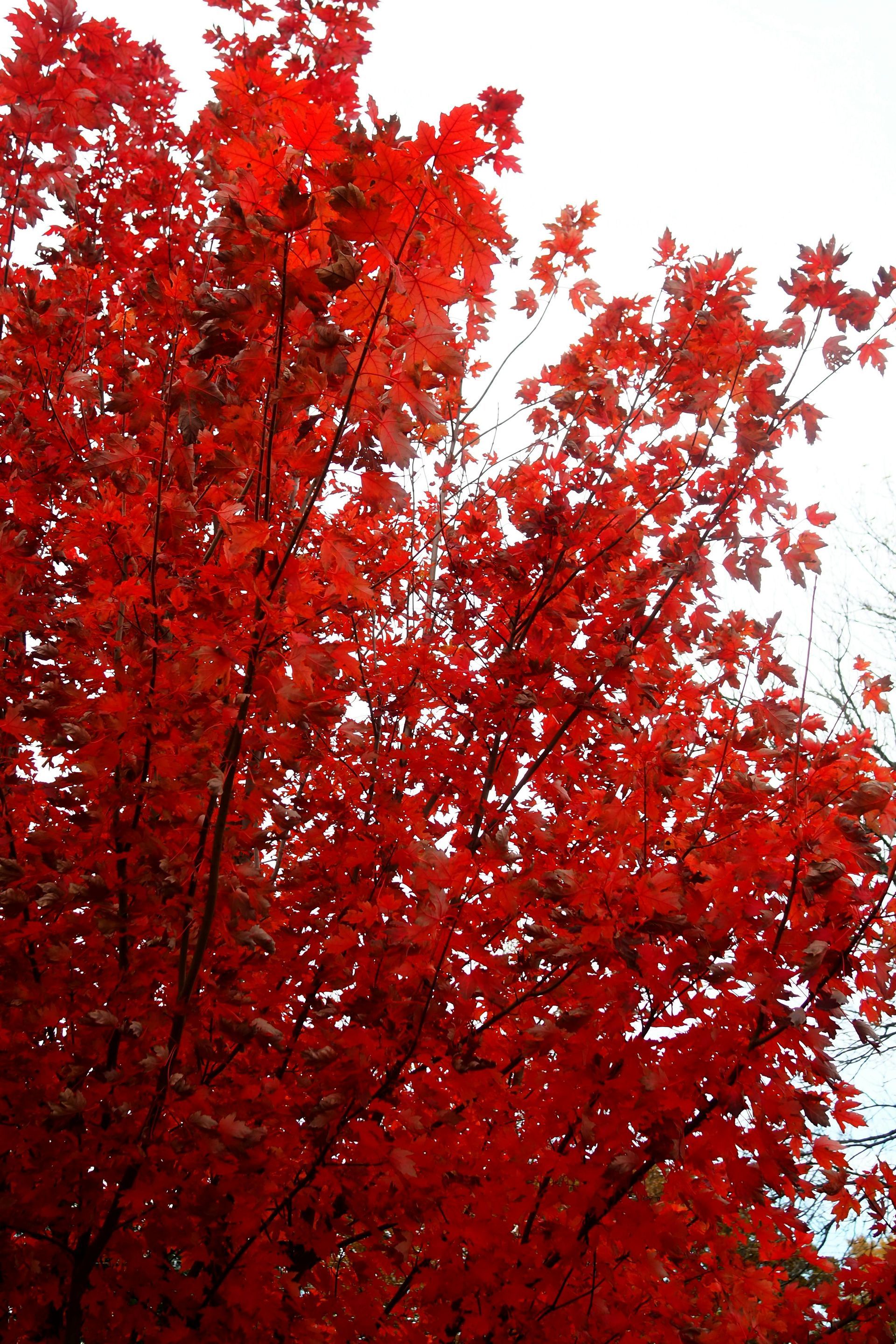
Japanese Maple Tree Planting
Delicate Foliage That Survives Subtropical Summers
Japanese Maple Tree Planting in New Orleans for shaded gardens requiring fine-textured foliage and seasonal color without full-sun heat tolerance
Japanese maples face survival challenges in New Orleans that don't apply in their native climate: afternoon sun that scorches delicate leaves, humidity that encourages foliar diseases, and soil temperatures that stress shallow root systems during summer. Southern City Farm and Landscaping plants Japanese maples in microsites that provide morning sun with afternoon shade, soil amended to retain moisture without staying waterlogged, and species cultivars selected for better heat and humidity tolerance than heirloom varieties that struggle in Gulf Coast conditions.
Japanese maple planting requires identifying locations that receive filtered light or shade after noon, since full sun exposure causes leaf scorch that browns foliage edges by midsummer. The planting hole is prepared wider than deep with organic matter incorporated to improve moisture retention, and the tree is positioned with the root flare exposed to prevent crown rot in humid conditions. Mulch depth is kept shallow to avoid trapping moisture against the trunk while still moderating root zone temperature.
Arrange a site assessment to confirm your property has appropriate shade conditions and soil drainage for Japanese maple establishment.
How Microsite Selection Affects Survival Rates
Site selection determines whether Japanese maples thrive or decline within the first two years, since these trees evolved in mountain woodlands with cooler temperatures and lower humidity than New Orleans provides. The ideal location offers protection from western sun, exists near larger trees or structures that provide afternoon shade, and has soil that drains freely while retaining moisture between watering. Wind protection also matters, since the delicate foliage tears easily during storm events that are routine during summer months.
Once established, you'll notice foliage color that intensifies during fall months, though the color change occurs later in New Orleans than in cooler climates and may be less dramatic depending on nighttime temperature drops. The fine-textured canopy creates dappled shade suitable for underplanting with hostas, ferns, or other shade-tolerant species. Summer stress appears as leaf edge browning despite adequate watering, which indicates the tree is receiving too much direct sun or reflected heat from paving.
Cultivar selection matters significantly in this climate, with varieties bred for heat tolerance performing better than traditional Japanese cultivars that expect mountain conditions. Red-leafed varieties generally handle heat stress better than green or variegated forms, and upright growth habits tend to be more vigorous than lacy, cascading forms that struggle with humidity.
What Homeowners Need to Know About This Species
Japanese maples have specific requirements that differ from more heat-tolerant ornamental trees commonly planted across the region.
- What sun exposure do Japanese maples need in New Orleans? Morning sun with afternoon shade provides the best balance, allowing photosynthesis without the intense heat and light levels that scorch delicate foliage during the hottest part of the day.
- How does humidity affect Japanese maple health? High humidity increases foliar disease pressure and slows transpiration, requiring adequate air circulation around the canopy and careful watering that keeps roots moist without leaving foliage wet overnight.
- When do Japanese maples show color change in New Orleans? Fall color develops from November into December as nighttime temperatures drop, though the color intensity and duration depend on that year's weather patterns and how gradually cooling occurs.
- What causes leaf edges to turn brown during summer? Leaf scorch results from inadequate water reaching foliage during high transpiration demand, either because roots haven't established sufficiently, watering frequency is inadequate, or sun exposure exceeds what the tree can tolerate.
- How large do Japanese maples grow in New Orleans conditions? Mature size depends on cultivar selection, with most reaching eight to fifteen feet in height and spread over ten to fifteen years, though growth rate is slower in hot climates than in their native range.
Southern City Farm and Landscaping matches Japanese maple cultivars to your specific site conditions and establishes planting protocols that account for New Orleans heat and humidity. Contact us to evaluate whether your property has suitable microsite conditions for Japanese maple success.