
Ground Cover That Stays Put Through Subtropical Rain
Mulch sourcing and installation in New Orleans for properties requiring moisture retention, weed suppression, or finished bed appearance
Mulch selection in New Orleans depends on how well the material holds up under heavy rain, whether it will be applied to sloped beds or flat ground, and what aesthetic you want in planting areas around the property. Southern City Farm and Landscaping sources pine needle mulch bales, crushed pine needle mulch, grade A cypress mulch, bark mulch, and colored wood mulch, each offering different performance characteristics in terms of decomposition rate, water retention, and how well it stays in place during intense summer storms. You choose mulch based on whether the goal is long-term soil improvement, immediate visual impact, or low-maintenance coverage that requires minimal replenishment.
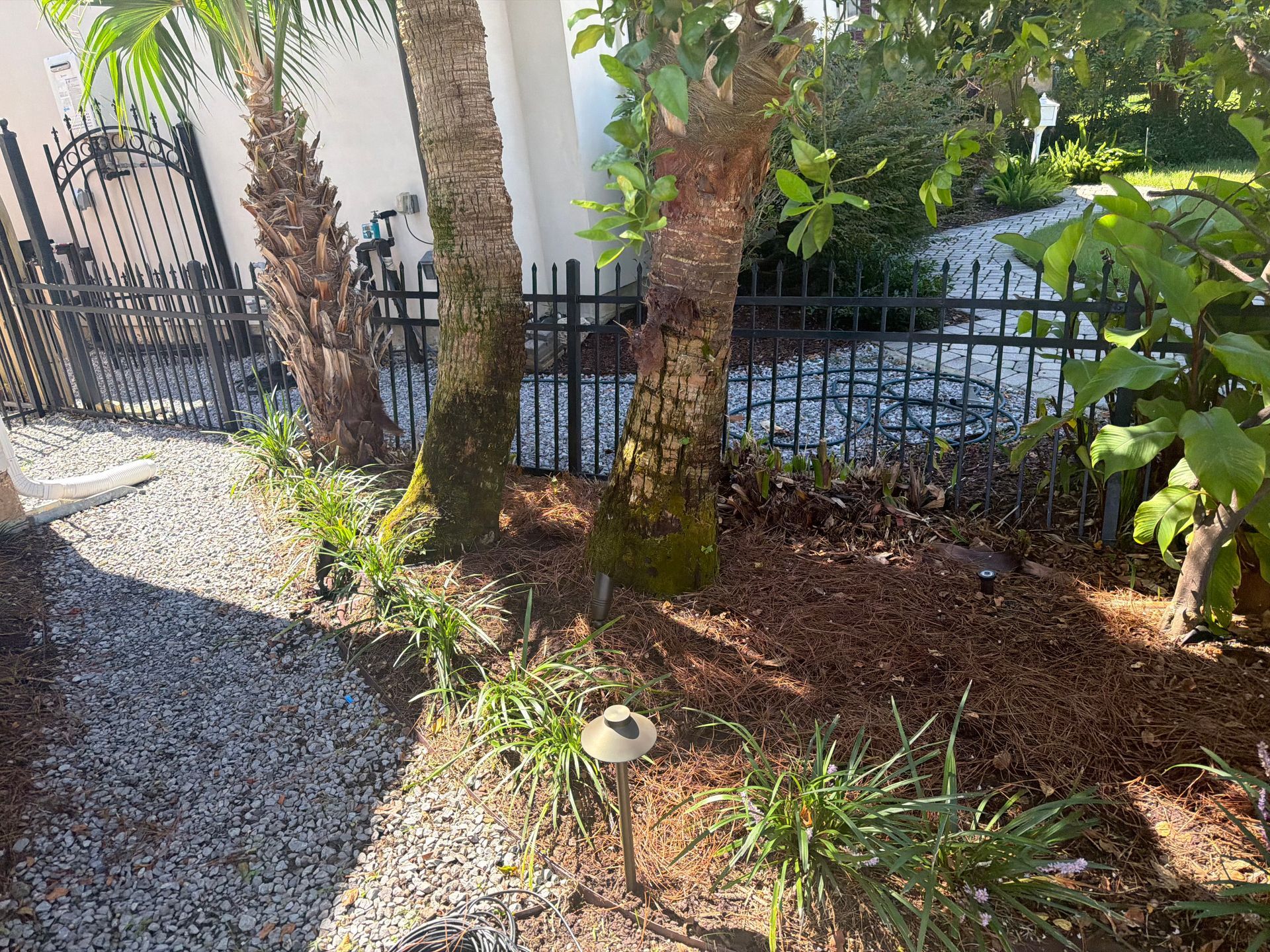
Pine needle mulch bales consist of long, intact pine needles that interlock as they settle, creating a stable layer that resists washing out on slopes and allows water to penetrate the soil beneath without running off. Crushed pine needle mulch breaks down faster and integrates into the soil more readily, making it a better option for beds where soil amendment is a priority alongside weed suppression. Grade A cypress mulch offers natural resistance to decay and insect activity, and its reddish-brown color holds longer than bark mulch, which fades to gray as it weathers.
Request a mulch comparison and volume estimate based on your bed layout and existing soil conditions.
What Drives Mulch Selection and Longevity
Bark mulch is produced from shredded tree bark and decomposes more slowly than wood mulch, though it tends to float and displace during heavy rain if not applied at sufficient depth or on well-drained ground. Colored wood mulch is dyed to maintain consistent appearance throughout the growing season and is often used in high-visibility beds near entryways or along street-facing property lines where curb appeal matters, though the dye does not affect plant health or soil chemistry. Pine needle mulch is preferred for acid-loving plants like azaleas and camellias because it lowers soil pH as it decomposes, and its texture allows air and water movement while still blocking light from reaching weed seeds.
After mulch is installed, you will notice reduced soil temperature fluctuations, fewer weeds germinating in planted areas, and slower moisture loss between watering or rain events. Beds that previously required frequent weeding or irrigation become easier to maintain because mulch blocks light from reaching the soil surface and insulates plant roots from heat stress during summer afternoons.
Mulch depth should be two to three inches for effective weed suppression and moisture retention, but not so deep that it traps excess moisture against plant stems or creates anaerobic conditions at the soil surface. Mulch should be pulled back slightly from the base of shrubs and trees to prevent rot and pest activity, and beds should be edged before mulch application to define borders and prevent mulch from spilling into turf or paved areas.
Answers About Choosing and Applying Mulch
Different mulch types perform differently depending on slope, soil type, and plant selection, so matching material to site conditions improves both appearance and function.
- What keeps pine needle mulch from blowing away or washing out? Pine needles interlock as they settle, creating a matted layer that stays in place better than loose bark or wood mulch, which makes it well-suited for sloped beds or areas exposed to wind and heavy rain.
- How long does cypress mulch last before it needs replenishing? Grade A cypress mulch typically lasts 12 to 18 months in New Orleans before breaking down enough to require a fresh layer, while bark mulch and colored wood mulch may need replenishment every 8 to 12 months depending on sun exposure and rain intensity.
- Why does some mulch float away during heavy rain? Bark mulch and lightweight wood mulch displace easily when water runs across the surface, especially on slopes or in beds without defined edges, so heavier mulch types or proper bed edging are needed in areas prone to runoff.
- What is the difference between crushed pine needle mulch and pine needle bales? Crushed pine needle mulch consists of shorter, broken needles that decompose faster and integrate into soil more readily, while pine needle bales contain long, intact needles that interlock and resist displacement but break down more slowly.
- How much mulch is needed to cover a typical flower bed? A cubic yard of mulch covers approximately 100 square feet at a three-inch depth, though beds with irregular shapes, existing plants, or varying depths require adjusted calculations to avoid over-ordering or running short during installation.
Southern City Farm and Landscaping delivers mulch in bulk or by the bag and installs it at the correct depth for your bed conditions and plant types. Arrange a delivery and installation to refresh beds or establish new planting areas with properly applied mulch.

